Latest about Security

UnitedHealth reveals eye-watering cost of Change Healthcare cyber attack
News The parent company said it is still recovering from the incident in February, considered one of the most significant and consequential cyber attacks against the US health system to date

DDoS attacks are still growing and there are new threats on the horizon
Security Scale of DDoS is increasing – this is how the attacks are evolving

Fears over copycat XZ-style attacks mount as open source devs targeted with suspicious emails
News A mysterious attempt to plant a backdoor in a widely used open source project was likely not an isolated incident

Bad bots are on the rise as almost half of all internet traffic is now automated
Web traffic is becoming dominated by automated bots, as the volume of malicious bot traffic is rising for the fifth consecutive year, but which industries are most at risk?
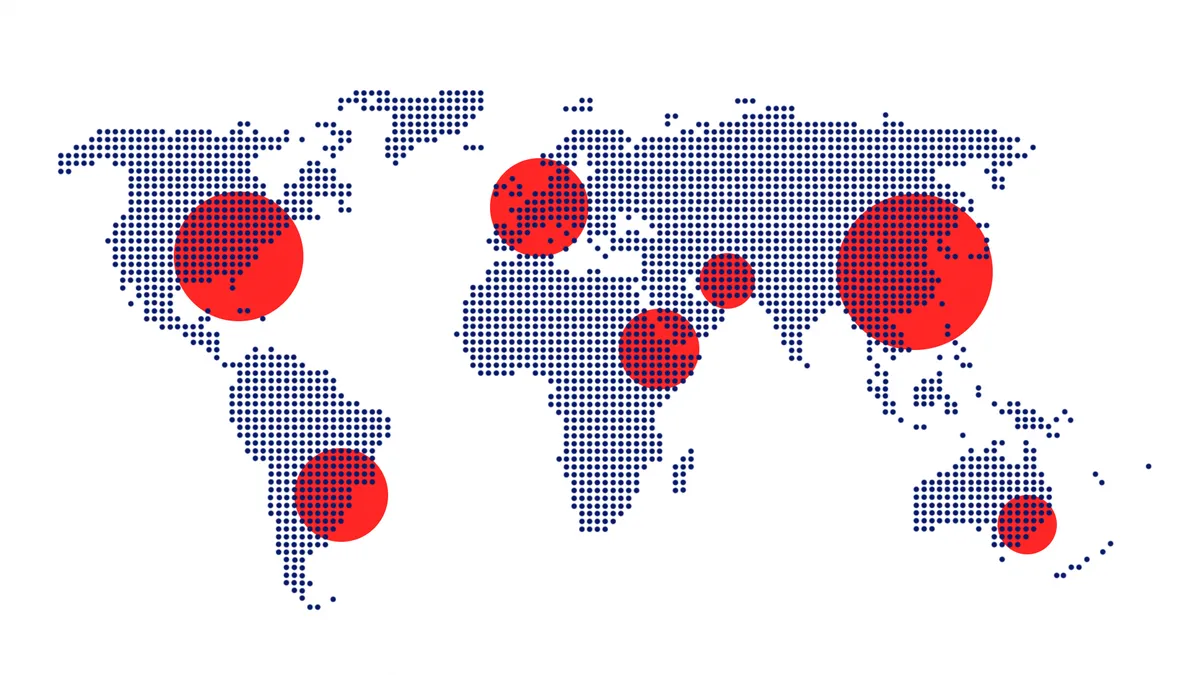
State-sponsored cyber attacks: The new frontier
In-depth With a new breed of groups launching state-sponsored cyber attacks against businesses, security teams will have to look beyond the traditional “CRINK” attackers

Cisco Duo MFA logs exposed in third-party data breach
News Cyber attack on an unnamed supplier for Cisco Duo’s SMS and VOIP multifactor authentication service exposes sensitive customer data used across internal networks and corporate apps

Palo Alto Networks issues fix for critical PAN-OS software flaw
News The PAN-OS vulnerability could allow attackers to execute arbitrary code with root privileges on some firewalls

Growing macOS adoption opens the door to increasingly sophisticated TCC-based attacks
Enterprise adoption of macOS systems is threatened by threat actors like the CloudMensis malware, deployed by the North Korea-aligned Lazarus Group

Sisense breach could have far-reaching consequences as CISA urges businesses to rotate credentials
News Millions of access tokens, keys, and passwords were exposed in a major breach affecting data analytics company Sisense, with CISA urging businesses to rotate and reset any credentials they may have shared with the company