Latest about Microsoft

AI security tools promise to supercharge productivity, but experts worry cyber pros could become too reliant
Analysis AI security tools will deliver a boost by automating tasks that frequently bog down cyber professionals, but some industry experts worry teams could become too reliant on these systems

Check Point customers to gain access to Azure OpenAI service under new Microsoft partnership
News Check Point’s Infinity AI Copilot will leverage Microsoft’s Azure OpenAI Service and suite of large language models

Microsoft's startup investment strategy looks to corner the global AI market — but will it work?
Analysis Microsoft has forged close ties with several major players across the global AI marketplace, and its current strategy shows no signs of stopping
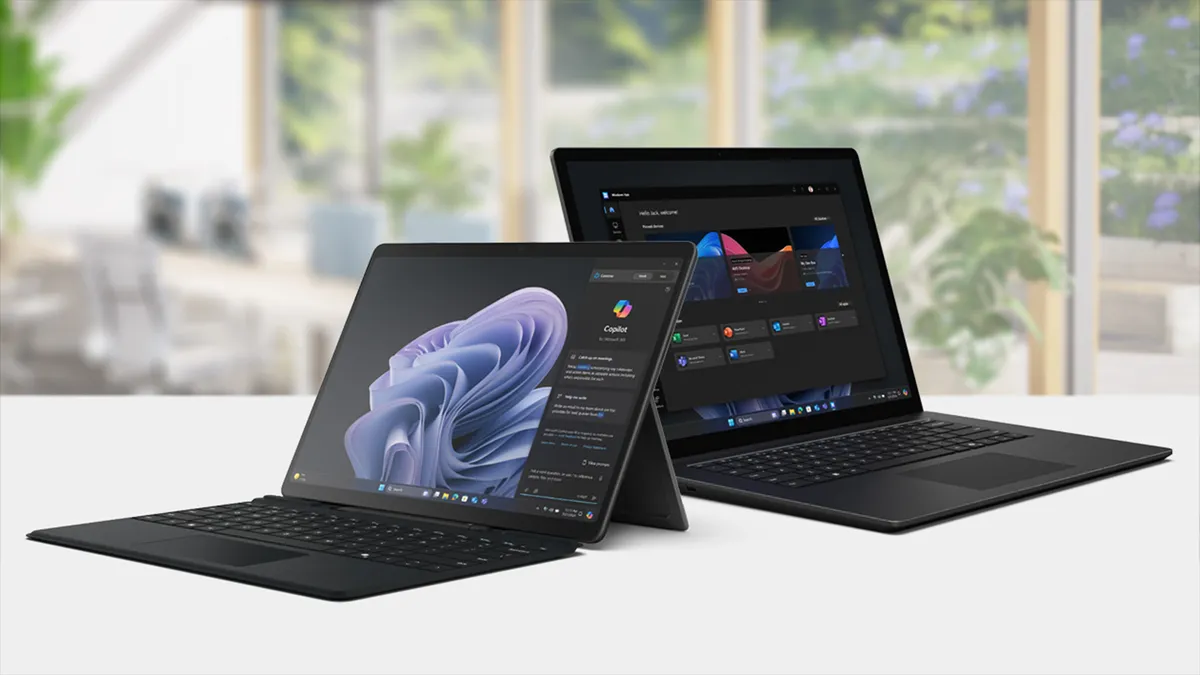
New Microsoft Surface devices put AI on the desk of every office worker
News New Microsoft Surface devices infused with AI capabilities mark the tech giant's first foray into the burgeoning AI PC market

Who is DeepMind co-founder Mustafa Suleyman and why has he joined Microsoft?
Explainer Mustafa Suleyman co-founded DeepMind and most recently served as CEO at Inflection AI - his next move will see the "visionary" founder lead Microsoft's consumer AI division

Microsoft: The UK is woefully unprepared for future AI cyber threats
News New research suggests UK businesses are unprepared to contend with a potential wave of AI-powered cyber security threats

Microsoft scraps egress fees for Azure — was its hand forced by Google and AWS?
News Microsoft is the last of the ‘big three’ hyperscalers to waive egress fees for migrations to another cloud provider, but experts have expressed doubt about how important the move will be

Microsoft says its Copilot for Security tool is a powerful weapon in the fight against hackers — here’s why
Microsoft’s Copilot for Security boasts features such as incident summarization, impact analysis, reverse script engineering, and guided incident response