Application testing goes virtual
By Miya Knights,
AppTitude 2.0, the new version of the application compatibility testing software designed to speed operating system (OS) migration, is released today to increase Vista uptake and virtualisation potential in a mixed software environment.
The automated client-server software testing platform features a new Virtualisation Manager module for assessing applications to determine if they are suitable for virtualisation with Microsoft Application Virtualisation (formerly known as 'SoftGrid').
The provision of compatibility testing for applications that are scheduled for deployment under Microsoft Application Virtualisation is designed to highlight those applications that are poor candidates for virtualisation and report on potential issues.
The developer of AppTitude 2.0 - itself split from parent application migration specialist Camwood for today's launch and now known as AppDNA - said extending the platform's ability to interrogate the unique markers of software applications or 'DNA' was key.
Mike Welling, AppDNA's founder and chief executive, said AppTitude could typically reduce application testing from a matter of weeks to minutes per application. "For a company with hundreds of applications this represents a dramatic reduction in the testing overhead," he added.
He also said the extended fingerprinting capability now includes details of file and registry components across all applications, including applications not in the Windows Installer executable format (non-MSI) for the first time.
According to AppDNA test data gathered from over 100 large corporations, only 20 to 25 per cent of applications use the MSI format, with many vendors releasing their software in 'setup.exe' formats.
"We estimate this latest release will reduce Vista migration timescales for a typical large corporation by around 30 to 40 per cent," Welling said.
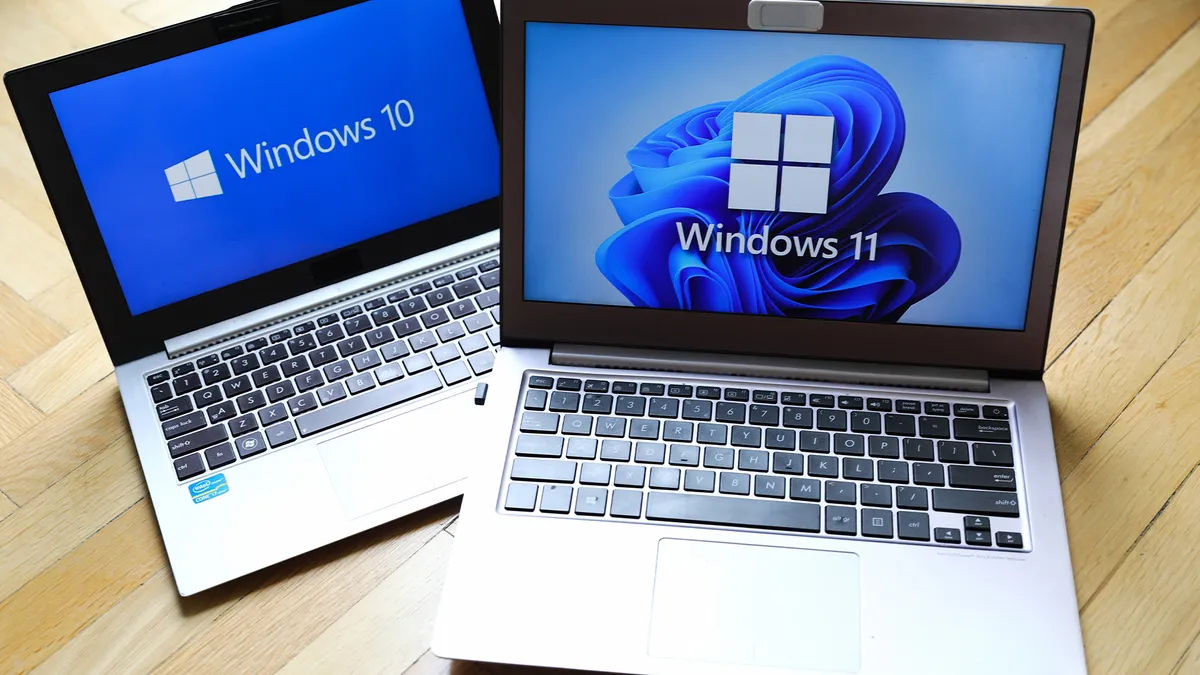
The software, which automates the application testing requirement for companies migrating to different versions of Windows, including the latest Vista OS, can also identify the interdependencies between applications, to allow IT departments to easily group applications as necessary.
Sponsored Links
advertisement
Latest Strategy Analysis & Insight
Q&A: Daniel Reed, Reader's Digest
We spoke to the man in charge of the technology strategy for Reader’s Digest in Europe and Asia Pacific.
- Welcome to the stay-at-home Olympics
- What should RIM do to recapture the attention of businesses?
- Q&A: Colin Bannister, UK CTO, CA Technologies
- Will someone rid me of these troublesome Macs?
- What can Intel bring to the smartphone market?
- Q&A: Cisco on servers, storage and strategy
- Q&A: Raj Samani, CTO McAfee
- Erase and rewind: the EU and privacy
- Does 2012 spell doom and gloom for the tech sector?
Latest Strategy Reviews
ThinPrint Printer Dashboard review: First Look
- Office 365 review: First look
- Novell ZENworks Configuration Management 11 Standard Edition review
- Mindjet MindManager 9 review
- Tableau Desktop Professional Edition review
- Spiceworks review
- Head to Head: Parallels Desktop 6 vs VMware Fusion 3
- Swiftlight review
- FaceTime Communications USG-1030 review
- Top 10 iPad apps for business review
advertisement
Most popular
- Google releases Chrome for Android beta
- Will someone rid me of these troublesome Macs?
- OneNote hits Google?s Android
- BlackBerry Bold 9790 review
- Google sends in Bouncer to sort out malicious apps
- Ubuntu vs. Windows 7 on the business desktop
- Who to trust after the VeriSign hack?
- Head to Head: Mac OS X 10.7 Lion vs Windows 7
- ACTA: the basics, the controversies, and the future
- BT considering Ofcom price cap appeal
Latest News Videos in Strategy
Q&A: David Elton, PA Consulting Group
CIOs are increasingly influential, but have to juggle "dual roles", study finds.
Register for IT PRO
You'll get exclusive member benefits including free whitepapers, downloads, Webinars and weekly newsletters full of the latest IT PRO news, reviews, insight and expertise.