
-
 What is a tensor processing unit (TPU)?
Explainer Google's in-house AI chips are the most notable alternative to Nvidia at the enterprise scale
-
 Cyber Security and Resilience Bill: Security experts question practicality, scope of new legislation
News The new legislation aims to shore up critical infrastructure defenses, but questions remain over compliance and scope


-
 Linux just hit an all-time high share of the global desktop market — and surging popularity in India is driving uptake of the open source operating system
News Linux is still dwarfed by operating systems such as Windows, but it’s making modest gains off the back of growing popularity in emerging markets
-
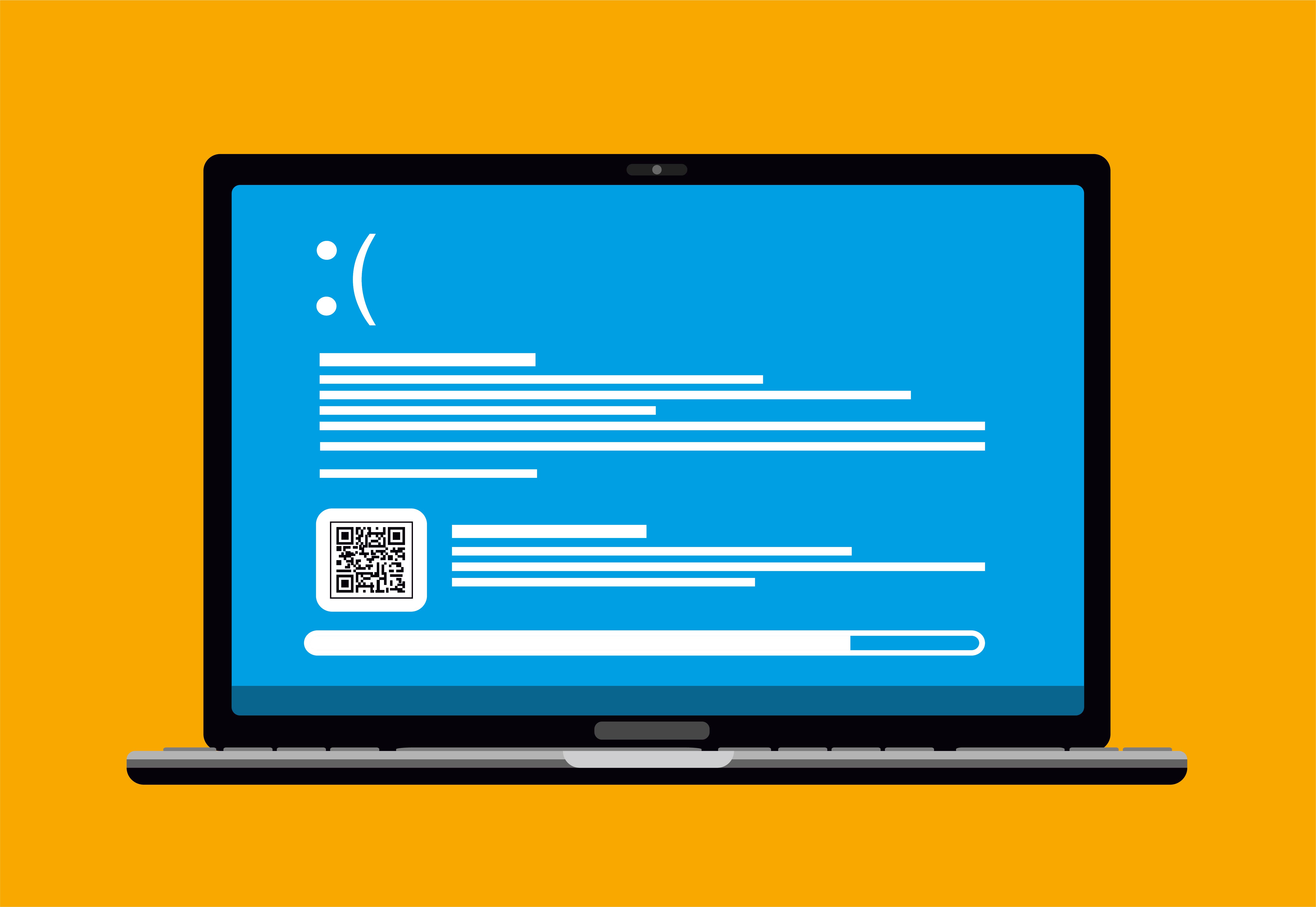 Linux Blue Screen of Death gives users a taste of the dreaded Windows feature
News The Linux Blue Screen of Death has been added in a recent update
-
 Dell’s XPS 13 Plus becomes first Ubuntu 22.04-ready laptop
News The device is the latest result of Dell and Canonical’s ten-year Project Sputnik, which aims to create high-end Dell systems with Ubuntu preinstalled
-
 Linux Mint vs Ubuntu: Which one is better?
In-depth Linux Mint vs Ubuntu is a lingering debate among Linux users, but what are the differences?
-
 No strategic change for Canonical, says Mark Shuttleworth
News Founder outlines focus on cloud, IoT, and machine learning
-
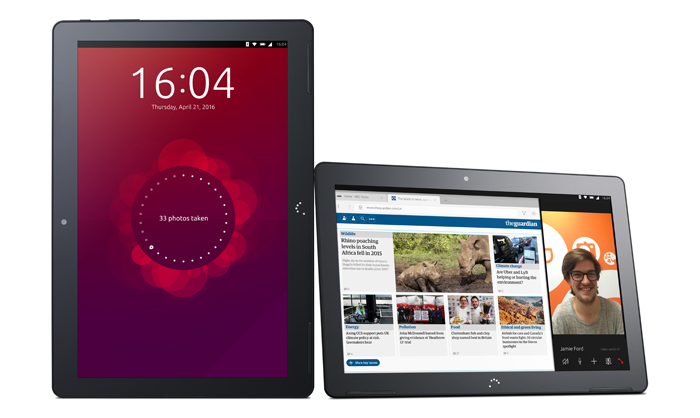 Canonical launches first ‘converged device’ for Ubuntu OS
News Ubuntu joins Windows 10 and OS X El Capitan with cross-device support
-
 Ubuntu 15.04 updates mobile, cloud and IoT
News The Vivid Vervet version of Ubuntu, 15.04, is now available for free download
-
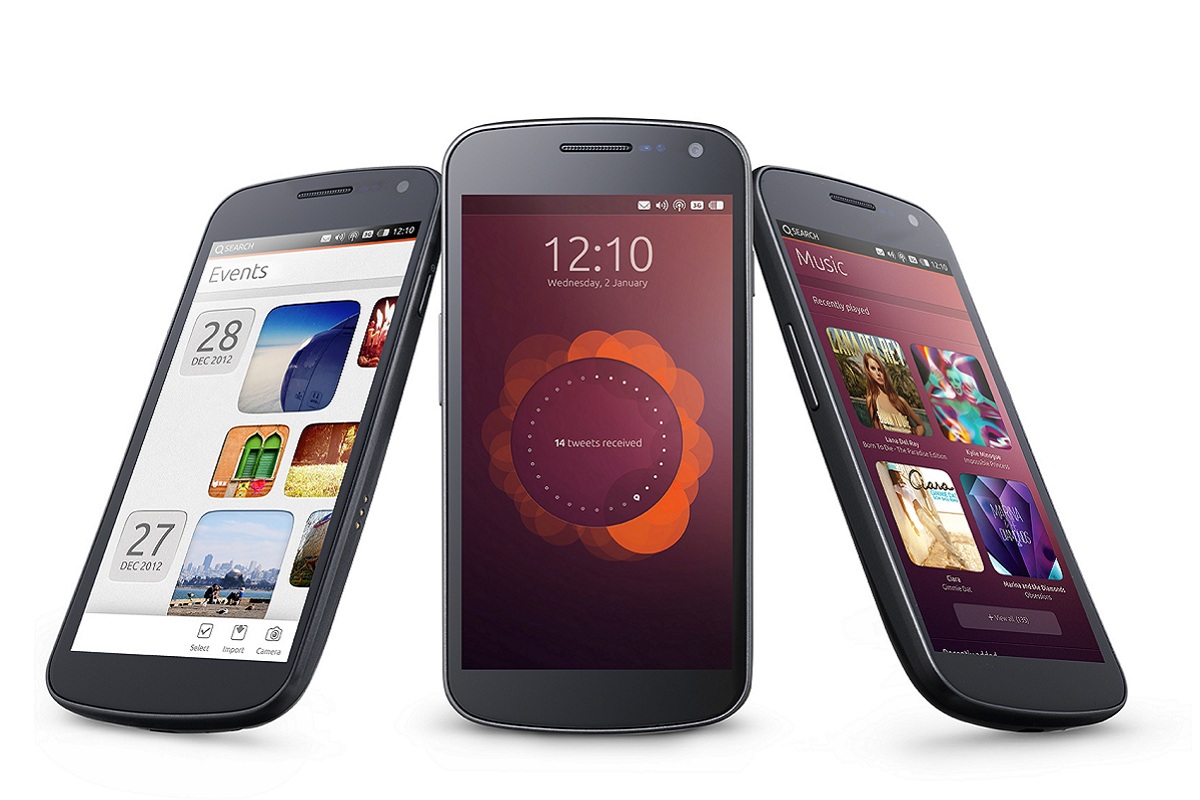 Ubuntu Touch smartphone 2014 release by major OEM unlikely
News Canonical's community manager admits a 2014 release date is optimistic thinking for an OEM-made handset.


